Improving Learner Driver's Experience
RSA Ireland is a public service — the Irish national agency responsible for improving road safety and reducing deaths and injuries on Irish roads. They are also the providers of driver's licenses for cars, trucks, and motorcycles.
An excessive number of calls to the Customer Care Center regarding long waiting times to schedule a driver's test led the client to ask for support in understanding what was preventing customers from completing the digital journey originally planned by their newly implemented digital strategy.
Assess and propose a solution to the waiting list problem at the driver's test scheduling through As-Is and Future-State Service Blueprinting.
The team started by seeking to gain as much insight and clarity as possible on the current status of RSA's service as a whole — understanding the client's approach to their digital journey and their customers, and identifying incongruous systems and potential human errors in their processes. This led to a research-first approach, which prompted me, as the research lead, to evaluate a large volume of documentation, systems, and business operations provided by the client.
The design team received a large volume of documentation from RSA's team — multiple cloud services containing various data formats, including texts, workflows, business process diagrams, user personas, digital strategy documents, and records of common complaints.
As the research leader, I outlined a research process in three overarching stages:
Create a Research Plan to fill any gaps or unvalidated assumptions. This stage included many interviews with members of the different teams involved in service provision.
Examine the Learner Driver's journey as it existed at the time, and interview real users to understand their needs and pain points.
Produce a document with a framework for how to implement and manage the Future State Service Blueprint — the Service Blueprint Playbook.
I started by creating a Mural board to compile all my doubts and findings as I dove into the client's documentation. The goal was to avoid redundant work and stay consistent with the client's needs and service vision.
Through this process I was able to answer some research questions about the business and the service, but not yet about the users. I identified two major user groups: RSA's workers and the Learner Driver. I called the workers "the inner user" — because it is not possible to provide a great service without enabling the people who deliver it.
In the documentation, I found an attempt to understand the Learner Drivers through a large number of proto-personas and their respective User Journeys. While this was an important effort from RSA's team, the complexity of the service and the diversity of people seeking a driver's license made the persona approach quickly unmanageable — and in practice, nobody from the team was using it.
I also found that some internal processes were new and improvised after the digital service went live — a consequence of the Covid-19 pandemic, which forced many public services worldwide to dematerialize their activities before they were fully ready. Because of this premature go-live, RSA's teams had not had the opportunity to fully understand how the digital journey should work, and were not able to provide proper guidance for users in the FAQ section of the website.
As a result, the Customer Care Centre witnessed a significant increase in calls requesting support for multiple problems with the Learner Driver's journey.
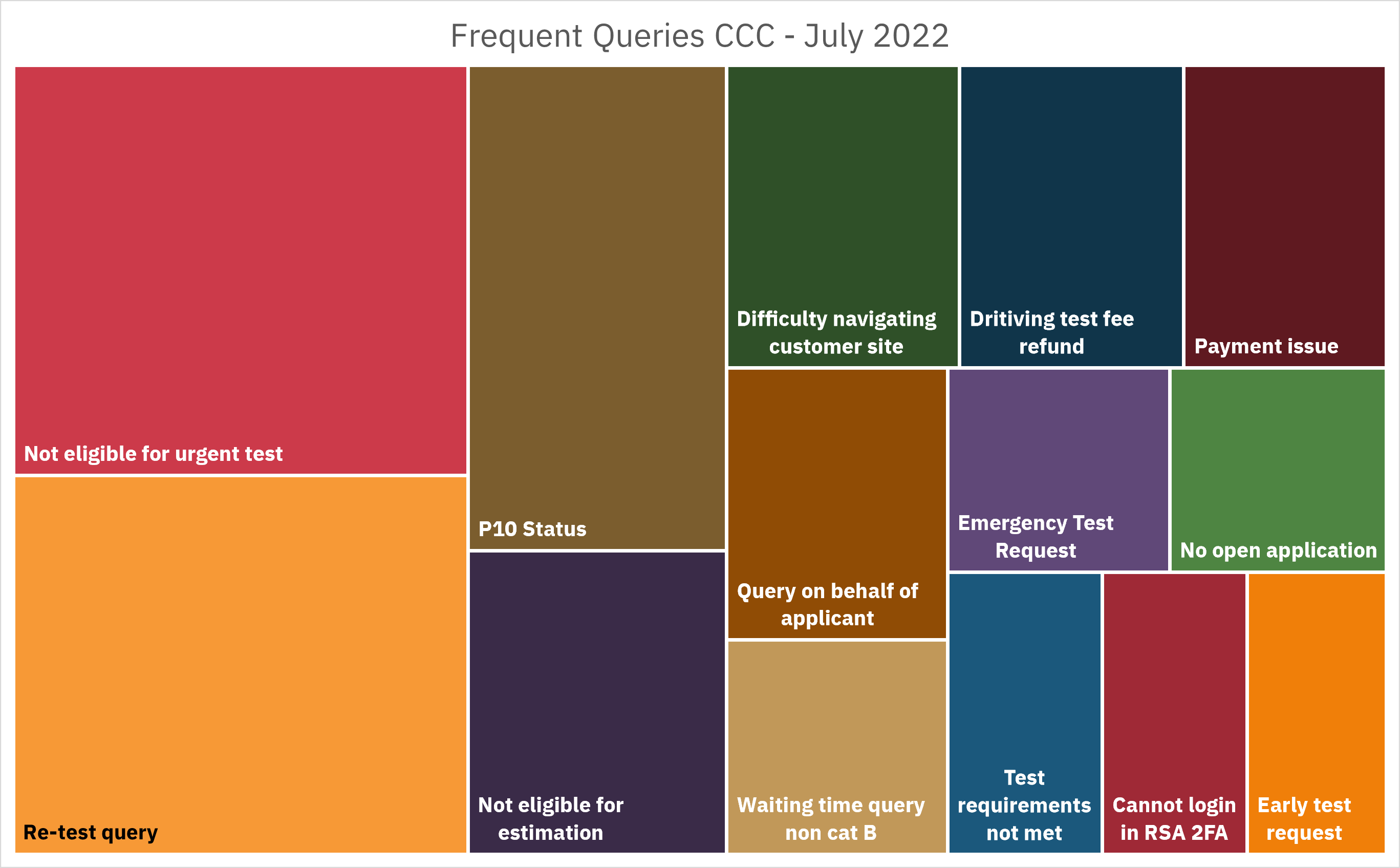
At the end of this stage, it became apparent that the client had more than one problem and was struggling to define which one had priority. The service itself was built of many moving parts that did not always communicate properly, creating the blockages the Learner Driver faced in their journey.
Based on this, I was able to formulate the Research Questions to be answered in the next stages:
How does the Learner Driver know what documents they need to get a driver's license?
What was the desired unique User Journey for all users — and what is the real User Journey at the time of the research?
Why is the desired unique User Journey, if it exists, not working properly?
Are the workers enabled to perform the activities needed to provide the multiple services required for the Learner Driver to complete their journey?
Are there integration problems preventing the systems from functioning properly? This includes physical integrations, legacy systems, cloud services, government data, and privacy limitations.
The second stage sought to answer the first three research questions. User Interviews with recent Learner Drivers covered how they found information about the service, how they found a driving instructor, how they knew when their process was complete, and where they went for support.
The interviews revealed that the majority of Learner Drivers used the website very little, if at all. Most people were getting the information they needed either from friends and family or by calling the Customer Care Center — both of which were highly incongruent with the goals of the digital strategy.
Given how diverse the Learner Drivers' backgrounds were, the design team proposed using a Jobs-to-be-done approach instead of personas — a shift that significantly changed the direction of RSA's efforts in understanding their users.
Question 2 was answered when the design team realized that so many journeys had been created for different personas, and without a unique Service Vision, the business had not been able to agree on a single journey for their users. Question 3 was addressed through UX evaluations — heuristics, usability and accessibility analysis — which provided important insights and actionable "quick wins" that could immediately improve the experience.
We also analyzed technical aspects of the UI design to determine whether there were system integration problems, particularly around payment failures that users had been reporting at the end of their journey.
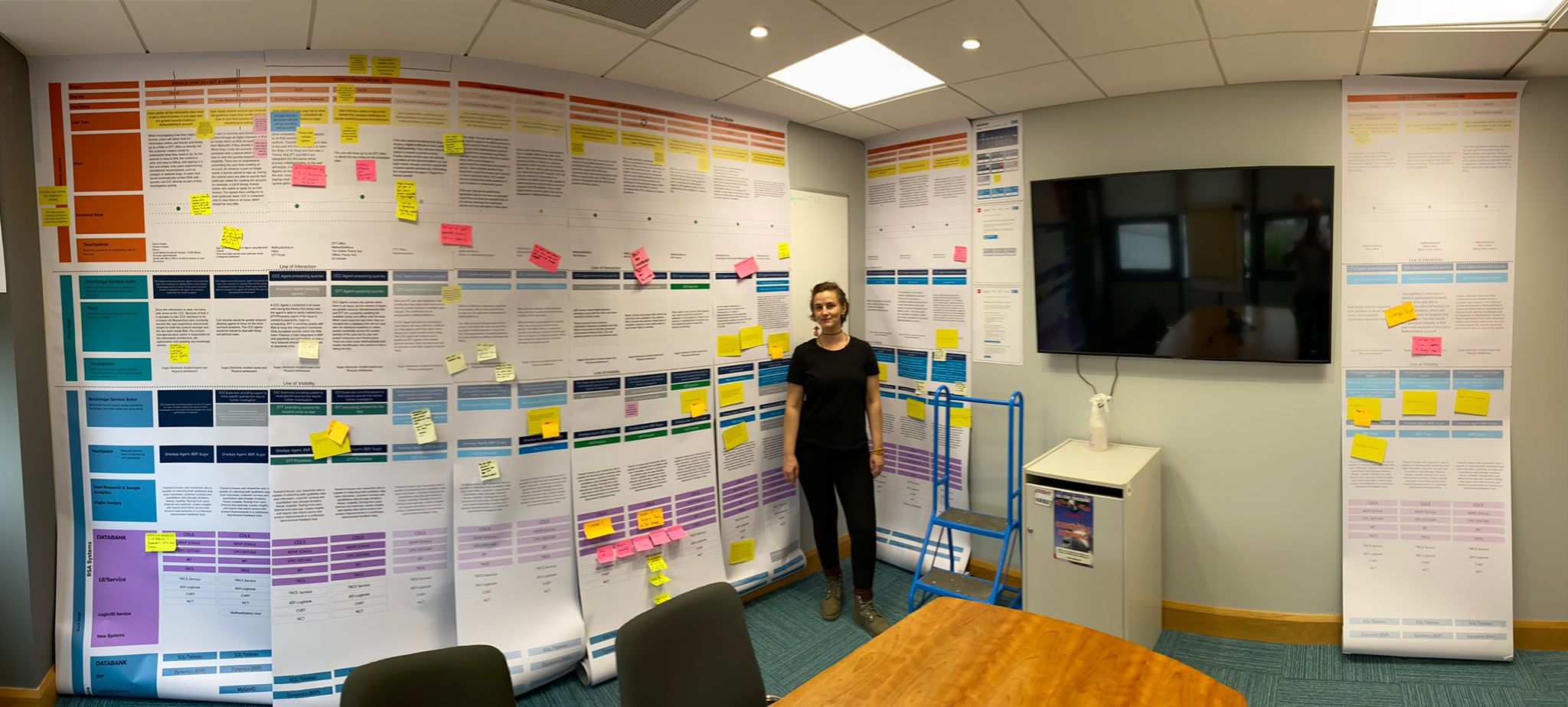
To make the accumulated insights more digestible and to start aligning the teams towards a unified Service Vision, I created a sketch of the As-Is Service Blueprint.
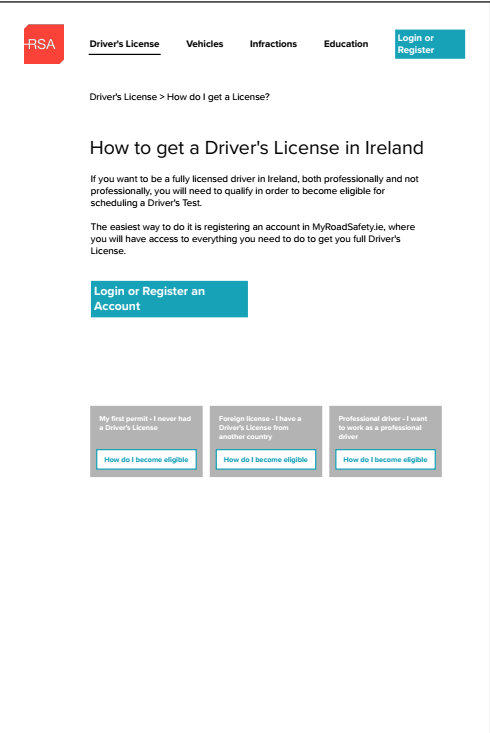
I also created a "One Stop Shop" mock-up — a unified dashboard presenting all the services involved in obtaining a driver's license in Ireland — to help bring the Service Vision to life in a tangible way for the client.
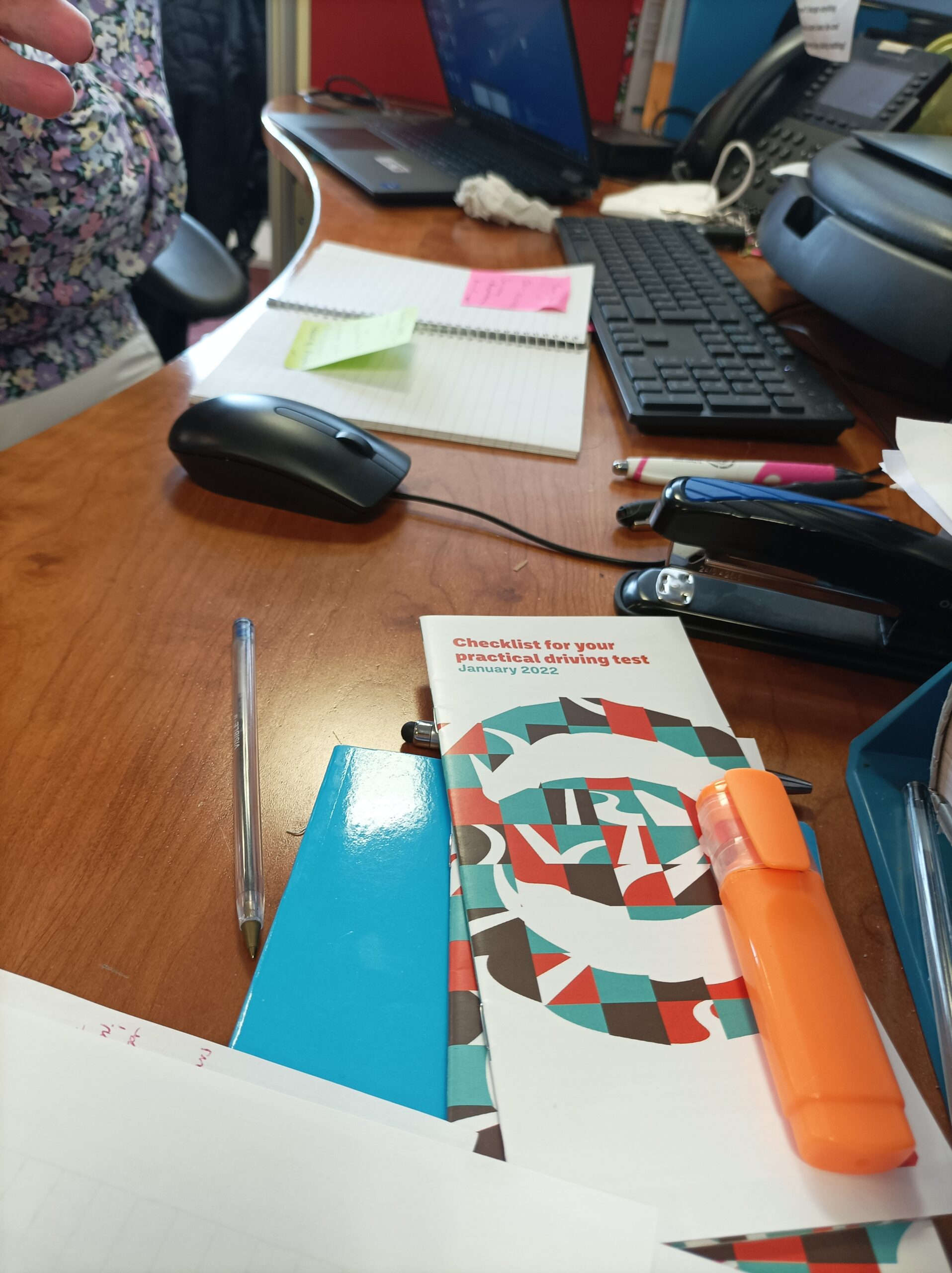
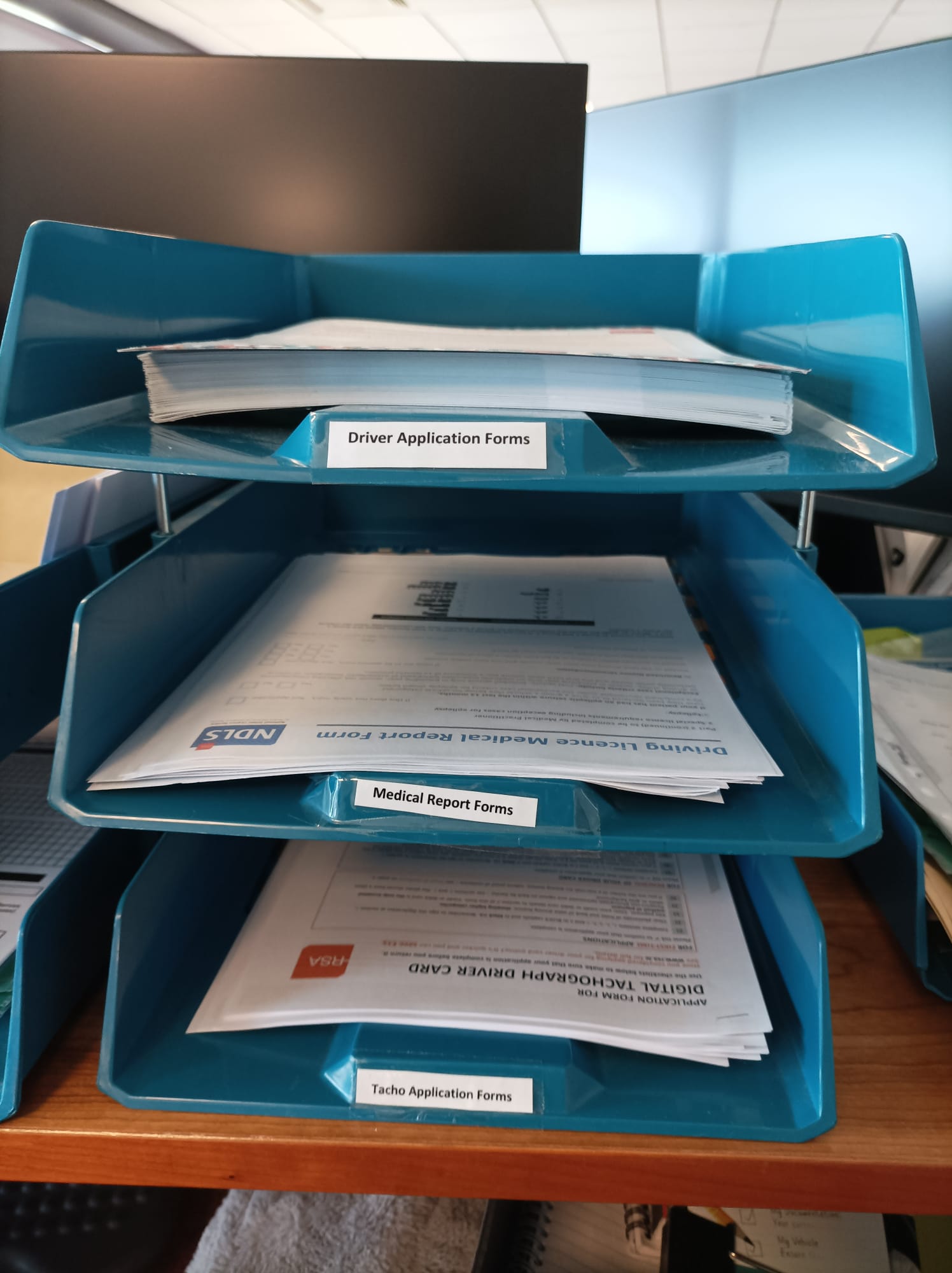
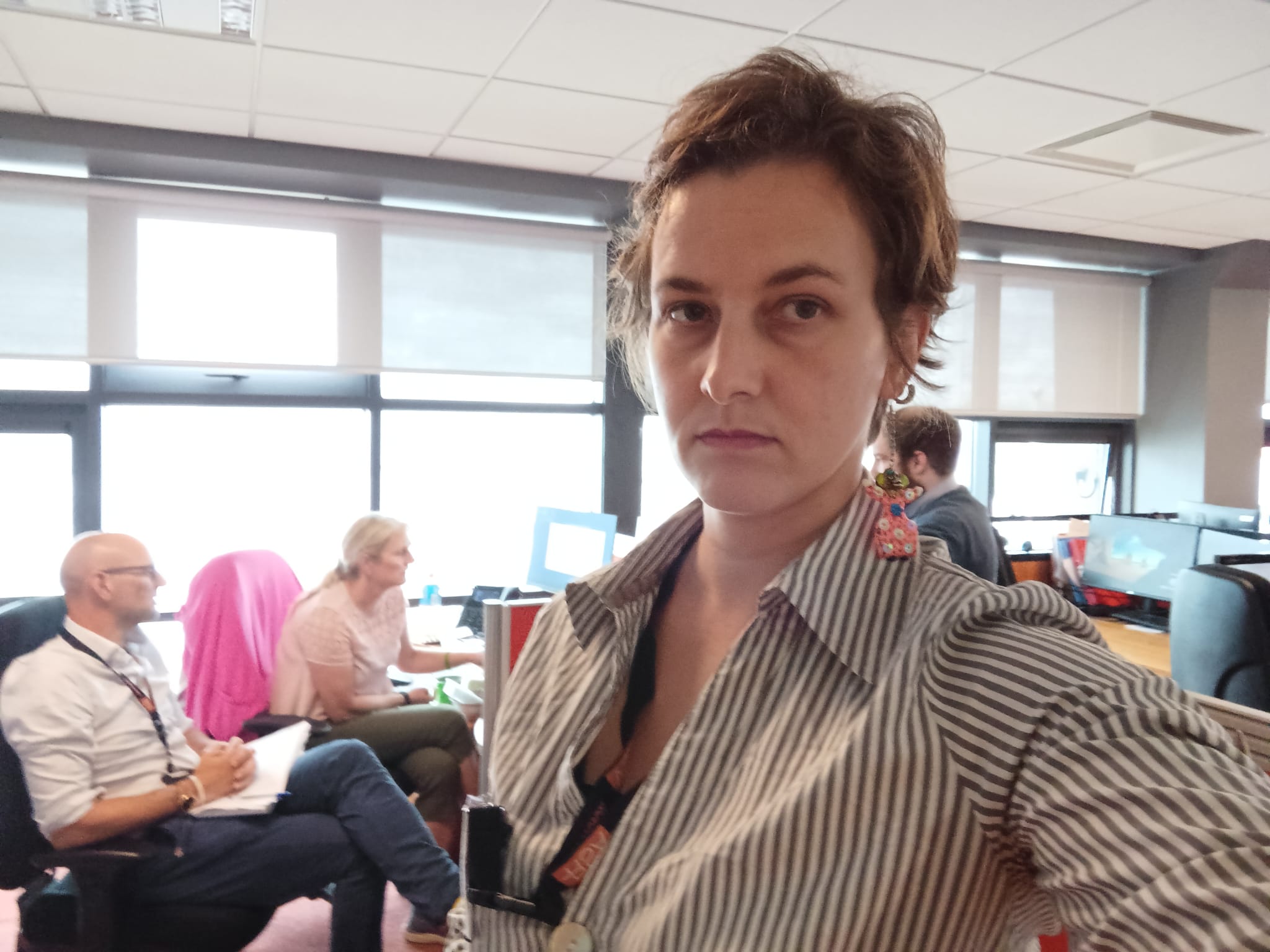
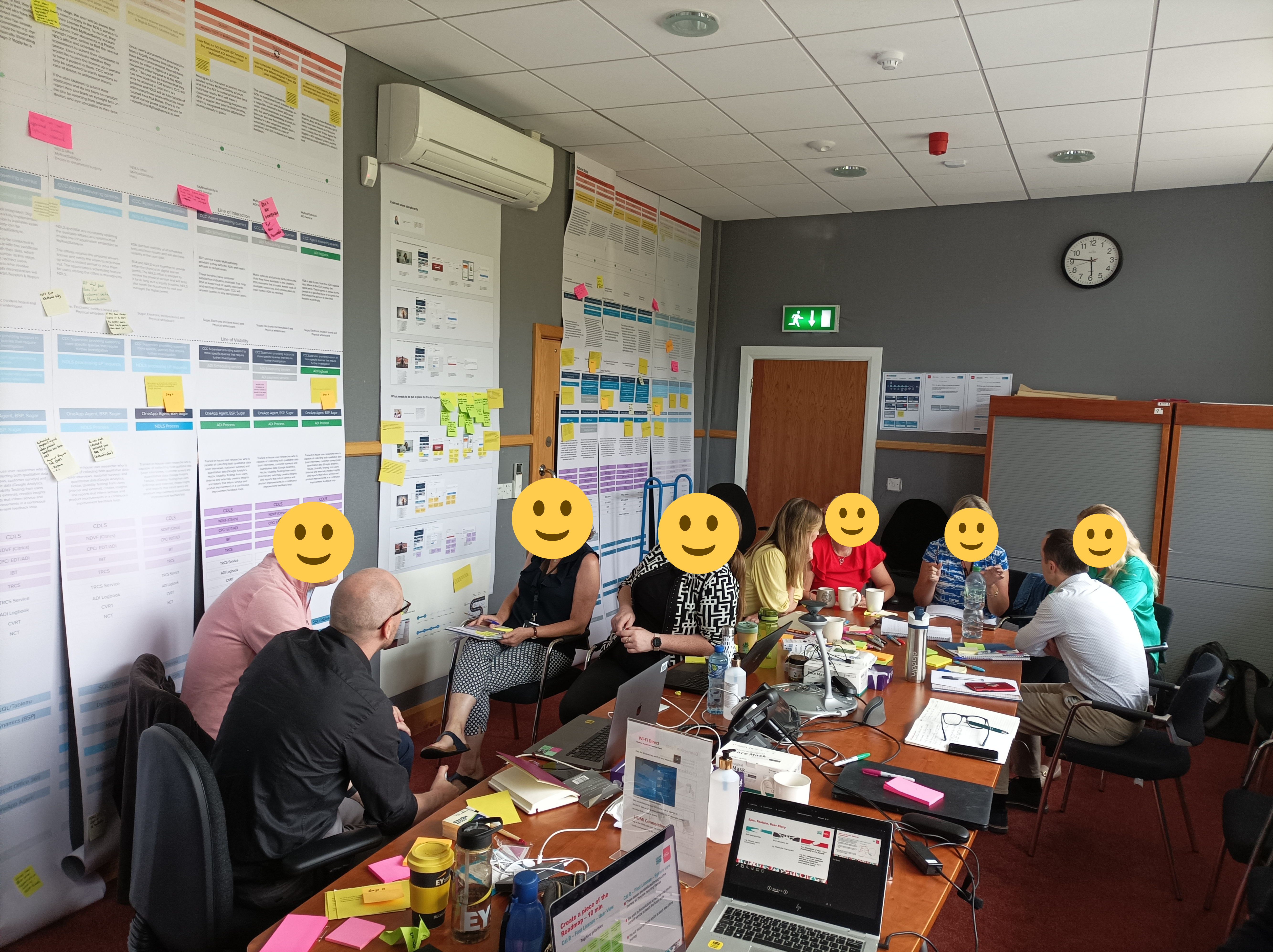
The goal of the Contextual Inquiry was to find out what the client's teams understood about how the service had failed and how they believed it should look. This comes from my business training: as designers, we have to focus on getting key stakeholder buy-in to ensure the longevity of any proposed improvements. In other words, we have to "sell" the idea and offer the practical aspects of maintaining a service vision as part of day-to-day business activities.
A significant part of my work was therefore understanding how the teams operated separately and how they worked together to create the service — so that I could later create a document to guide its maintenance.